Do-It-Yourself vs. Professional Drain Cleaning: Which Is Right for Your Property?
When faced with a clogged drain, homeowners often consider the options of DIY solutions against professional services. DIY methods can look appealing owing to their cost-effectiveness, yet they may not always address deeper issues. On the other hand, professionals offer expertise and advanced tools, but at a higher price. Understanding the implications of each choice can be essential. What factors should a homeowner consider before making this decision?
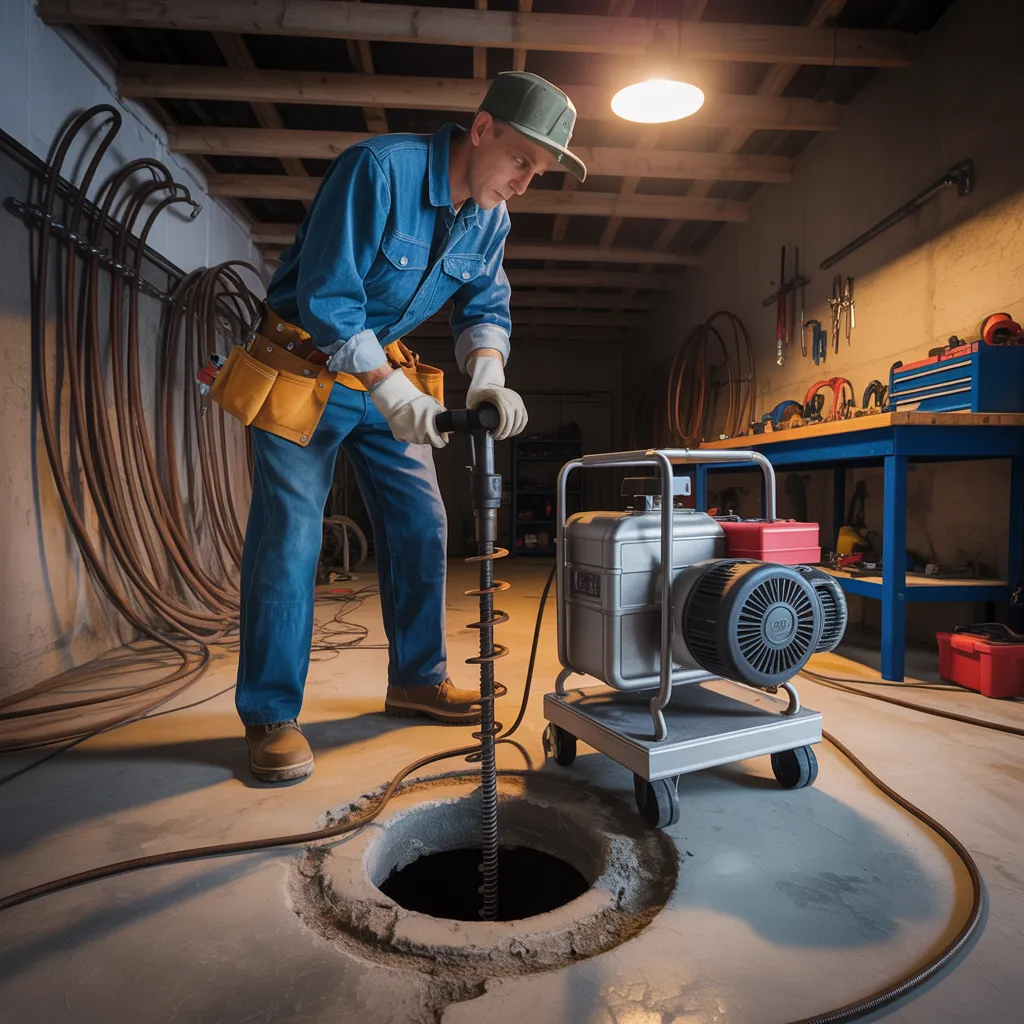
Is Self-Service Drain Cleaning Worthwhile?
Is do-it-yourself drain cleaning really a budget-friendly option? Several homeowners explore this option, believing it can save money. Basic methods, for example working with a plunger or a home-prepared combination of vinegar and baking soda, are readily available and affordable. Nonetheless, the effectiveness of these solutions can fluctuate substantially, depending on the degree of the clog. Though minor obstructions may yield to DIY initiatives, ongoing or complex issues may not react to basic methods, creating disappointment and risk of damage.
In addition, incorrect use of tools or chemicals can aggravate the issue, bringing about costly repairs. Homeowners should also account for the time and effort required for efficient DIY cleaning. In some cases, the initial savings could be counterbalanced by the risk of additional complications. Therefore, while DIY drain cleaning can provide a temporary remedy, its lasting value remains uncertain, requiring deeper consideration of the potential need for professional help.
Benefits You Get from Professional Drain Cleaning Services
Even though DIY methods might offer temporary relief, professional drain cleaning services provide multiple benefits that ensure long-term solutions. Skilled technicians utilize state-of-the-art equipment, such as hydro-jetting and camera inspections, to locate and tackle the root causes of clogs. This expertise ensures that underlying concerns, like tree root intrusion or pipe corrosion, are effectively addressed.
Furthermore, expert services decrease the likelihood of damage to plumbing systems, which can occur when untrained people attempt to handle complex problems. Additionally, these services often provide preventive maintenance, enabling homeowners prevent future blockages and pricey repairs.
Professional drain cleaners also possess thorough expertise in local building codes and regulations, guaranteeing compliance during service. Ultimately, employing professional drain cleaning improves overall system longevity and performance, delivering peace of mind that DIY methods simply cannot match.
Proven Home Drain Unclogging Approaches
For property owners looking for quick fixes to small blockages, numerous practical DIY drain cleaning techniques can provide short-term solutions. A widely-used technique involves blending baking soda and vinegar. Placing 1/2 cup of baking soda followed by 1/2 cup of vinegar down the drain can assist in breaking down buildup. After waiting for about 30 minutes, flushing with hot water often clears the pipes.
Another technique employs a plunger. By forming a seal around the drain and using forceful thrusts, a plunger can eliminate stubborn clogs. For tougher blockages, a plumber's snake or auger can be applied to reach deeper obstructions.
In addition, a mixture of salt and boiling water can aid in eliminate grease and debris. Routine maintenance, such as pouring hot water down the drain every week, can also prevent future clogs. These techniques present homeowners budget-friendly solutions before requiring professional assistance.
Potential Problems of Self-Service Drain Cleaning You Need to Understand
Engaging in DIY drain cleaning can create unexpected risks that homeowners should be conscious of. One notable concern is the potential for chemical burns or injuries from using harsh drain cleaners. These products can be hazardous if mishandled, causing harm to both skin and eyes. Furthermore, improper use of tools, such as drain snakes, may lead to damage to plumbing fixtures or pipes, resulting in costly repairs.
Homeowners may also introduce blockages further down the line by pushing debris instead of removing it. Lack of expertise can exacerbate existing issues, making them more challenging to resolve. Moreover, some drain problems may indicate deeper issues within the plumbing system, which a DIY approach might overlook. These missed signs can cause more serious problems and elevated fix charges. Therefore, comprehending these hazards is crucial before opting to manage pipe clearing yourself.
Choosing Between DIY and Professional Help
When it comes to drain cleaning, homeowners must often evaluate whether to pursue DIY solutions or engage professional help. Cost savings and the gratification of independent task documentation completion make DIY approaches attractive to many. Readily obtainable tools and solutions can make homeowners feel capable of managing minor drain blockages. Nevertheless, this approach involves hazards such as possible plumbing damage and unsatisfactory outcomes.
Conversely, professional drain cleaning services offer expertise and specialized equipment, providing thorough and safe removal of blockages. Professional technicians can rapidly diagnose potential issues that might go unnoticed by an untrained eye, ultimately saving homeowners from more costly repairs in the future.
At the end of the day, the selection relies on the severity of the blockage, the homeowner's confidence with plumbing projects, and budget factors. A thoughtful analysis of these factors can direct homeowners toward the most suitable solution for their unique situation.
Frequently Asked Questions
How Often Should I Clean My Drains?
Drain cleaning should ideally occur every 6-12 months, according to usage and household factors. Regular upkeep helps avoid clogs and provides efficient drainage, supporting a healthier plumbing system overall for any home.
What Items Are Required for DIY Drain Cleaning?
To effectively clean drains, necessary tools include a plunger, drain snake, baking soda, vinegar, a wet/dry vacuum, and a pair of rubber gloves. These items assist in addressing clogs and maintaining drain cleanliness.
Is It Safe to Use Chemical Cleaners?
Chemical cleaners can be used safely if instructions are followed carefully. Yet, misuse may result in pipe damage or health concerns. Protective equipment and proper airflow are critical during application.
Which Signs Suggest a Significant Drainage Issue?
Regular clogs, poor drainage, nasty odors, gurgling sounds, and water backups are warning signs of major drainage concerns. Overlooking these indicators may cause more substantial plumbing issues demanding professional service to eliminate costly repairs.
How Much Do Professional Services Typically Cost?
Skilled drain cleaning services generally range from $100 to $500, determined by the severity of the issue and local market rates. Further complications may elevate costs, making it essential to assess specific needs before hiring.